

Angelfish Care Guide
Angelfish (Pterophyllum scalare) are one of the most iconic tropical freshwater fish in the UK. Known for their tall, triangular shape, flowing fins, and graceful movement, they are a popular centrepiece fish in community aquariums.
In this guide, you'll learn everything you need to know about angelfish care, including tank size, water conditions, compatibility, breeding, and typical UK prices - plus how to buy or sell them locally.
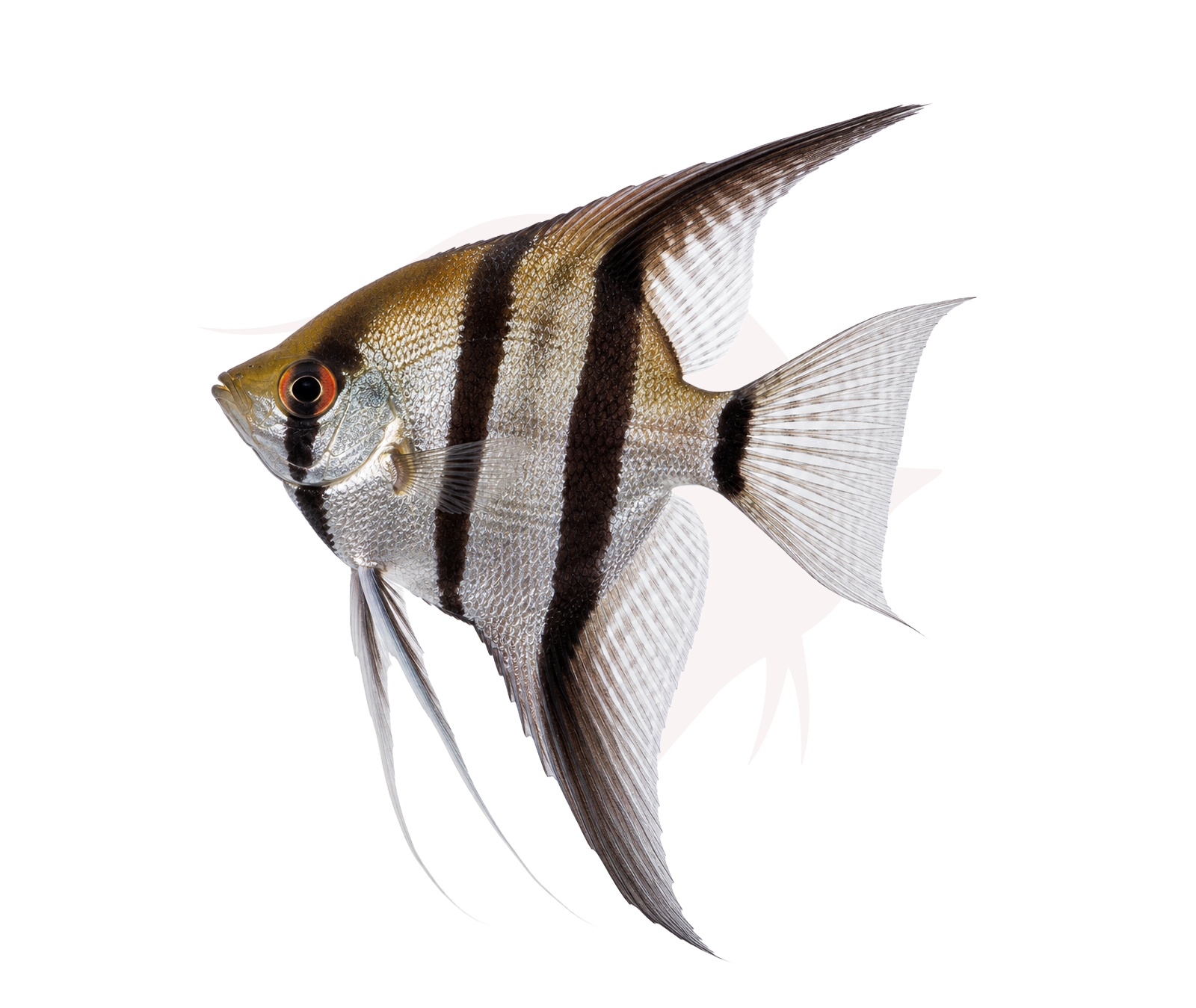
Quick facts about Angelfish
Angelfish are freshwater cichlids native to the Amazon Basin. Despite their elegant appearance, they are semi-aggressive and require careful tankmate selection.
They grow larger than many beginner fish and need taller aquariums to thrive.

Pterophyllum scalare

15-25cm

Amazon Basin (South America)

120L (30gal), tall tank preferred

8-10 years

Semi-aggressive, territorial

24-28°C

Omnivore (flakes, pellets, frozen, live foods)

6.0-7.5

£6-£15 per fish (juveniles, depending on variety)
How Many Angelfish Should You Keep?
Angelfish can be kept singly, in pairs, or in groups, but each option has different considerations.
- A single angelfish works well as a centrepiece fish
- A breeding pair can become territorial
- Groups of 5-6 juveniles can be kept together, but may form pairs and become aggressive as they mature
Keeping too many angelfish in a small tank can lead to:
- Aggression and fin damage
- Territorial disputes
- Stress and stunted growth
A larger tank is essential if keeping multiple angelfish.
Ideal Tank Conditions for Angelfish
Creating the right environment is key to keeping angelfish healthy and displaying their best colours and finnage.
- Tank Setup: A tall aquarium is essential due to their vertical body shape.
- Substrate: Sand or fine gravel works well.
- Plants & Decor: Include tall plants (like Vallisneria or Amazon swords) and driftwood for cover.
- Water Conditions: Slightly soft, mildly acidic water is ideal, but they are adaptable if conditions are stable.
- Filtration & Flow: Moderate filtration with gentle flow is best.
- Lighting: Moderate lighting suits both fish and plants.
Stable water quality is more important than chasing exact parameters.
Compatibility with Other Fish
Angelfish can work in community tanks, but their semi-aggressive nature means careful selection is important.
- Good Tankmates: larger tetras (e.g. rummy-nose, cardinal), corydoras catfish, gouramis, and peaceful rainbowfish.
- Avoid: small fish (like neon tetras, which may be eaten), fin-nippers (like tiger barbs), and aggressive cichlids.
Because angelfish have long fins, they are especially vulnerable to fin-nipping species.
Are Angelfish Easy to Care For?
Angelfish are generally considered moderately easy to care for and are suitable for beginners with the right setup.
They require:
- A sufficiently large, tall tank
- Good water quality
- Compatible tankmates
- A balanced diet
Their size and temperament make them slightly more demanding than small community fish.
Angelfish Price in the UK
In the UK, angelfish typically cost between £6-£15 per fish for juveniles. Premium varieties (such as koi, marble, or veil angelfish) can cost significantly more.
Prices vary depending on:
- Colour and fin variety
- Size and age
- Shop vs hobbyist sellers
Buying from local aquarists is often more affordable and less stressful for the fish.
Where to Buy Angelfish in the UK
Angelfish are widely available in UK aquarium shops, but many fishkeepers choose to buy from local hobbyists.
Sourcing fish locally can:
- Reduce transport stress
- Improve survival rates
- Offer better value
TankMate UK helps connect fishkeepers who want to buy, sell, or rehome fish safely - without shipping.




Can You Sell Angelfish?
Yes - angelfish are commonly sold by hobbyists, especially after successful breeding.
Selling locally is often the best option, as it:
- Minimises stress for the fish
- Avoids the risks of shipping
- Connects you with responsible aquarists
TankMate UK allows you to list angelfish quickly and find local buyers.
Breeding Angelfish
Angelfish are one of the more commonly bred cichlids in home aquariums.
Key Tips:
- Angelfish form monogamous breeding pairs
- Provide flat surfaces (like slate or plant leaves) for egg laying
- Maintain clean, stable water conditions
- Eggs hatch in 2-3 days
- Parents may guard the eggs and fry
Some pairs may eat their eggs, especially if inexperienced.
Common Problems with Angelfish
Aggression and bullying, often caused by:
- Too many fish in a small tank
- Breeding behaviour
- Incompatible tankmates
Fin damage, usually due to:
- Fin-nipping fish
- Poor water quality
Stunted growth, caused by:
- Tanks that are too small
- Poor diet or water conditions
Why Angelfish Are So Popular
- Elegant, flowing fins and unique shape
- Ideal centrepiece fish
- Wide variety of colours and patterns
- Long lifespan compared to many tropical fish
- Suitable for larger community aquariums
When kept correctly, angelfish add a graceful, eye-catching presence to any aquarium.
Frequently Asked Questions
You can keep one, a pair, or a small group, but larger tanks are required for multiple fish.
Yes, small fish like neon tetras may be seen as food.
They are semi-aggressive, especially when breeding.
At least 120 litres, with a tall tank strongly recommended.
Looking to Buy or Sell Angelfish Locally?
TankMate UK connects fishkeepers who want to buy, sell, or rehome fish safely within their local area.
Whether you're stocking your aquarium or passing fish on to a new home, you can:
- Browse fish available near you
- List your own fish in minutes
- Avoid the risks of shipping
Explore local listings with TankMate UK and find the right fish for your aquarium.