

Blueface Angelfish Care Guide
The Blueface Angelfish (Pomacanthus xanthometopon) is a large and striking marine fish popular among experienced aquarists in the UK. Known for its vivid blue facial markings and bold yellow and blue body pattern, it's a true centrepiece species for large aquariums.
In this guide, you'll learn everything you need to know about Blueface Angelfish care, including tank size, water conditions, compatibility, feeding, and typical UK prices - plus how to buy or sell them locally.
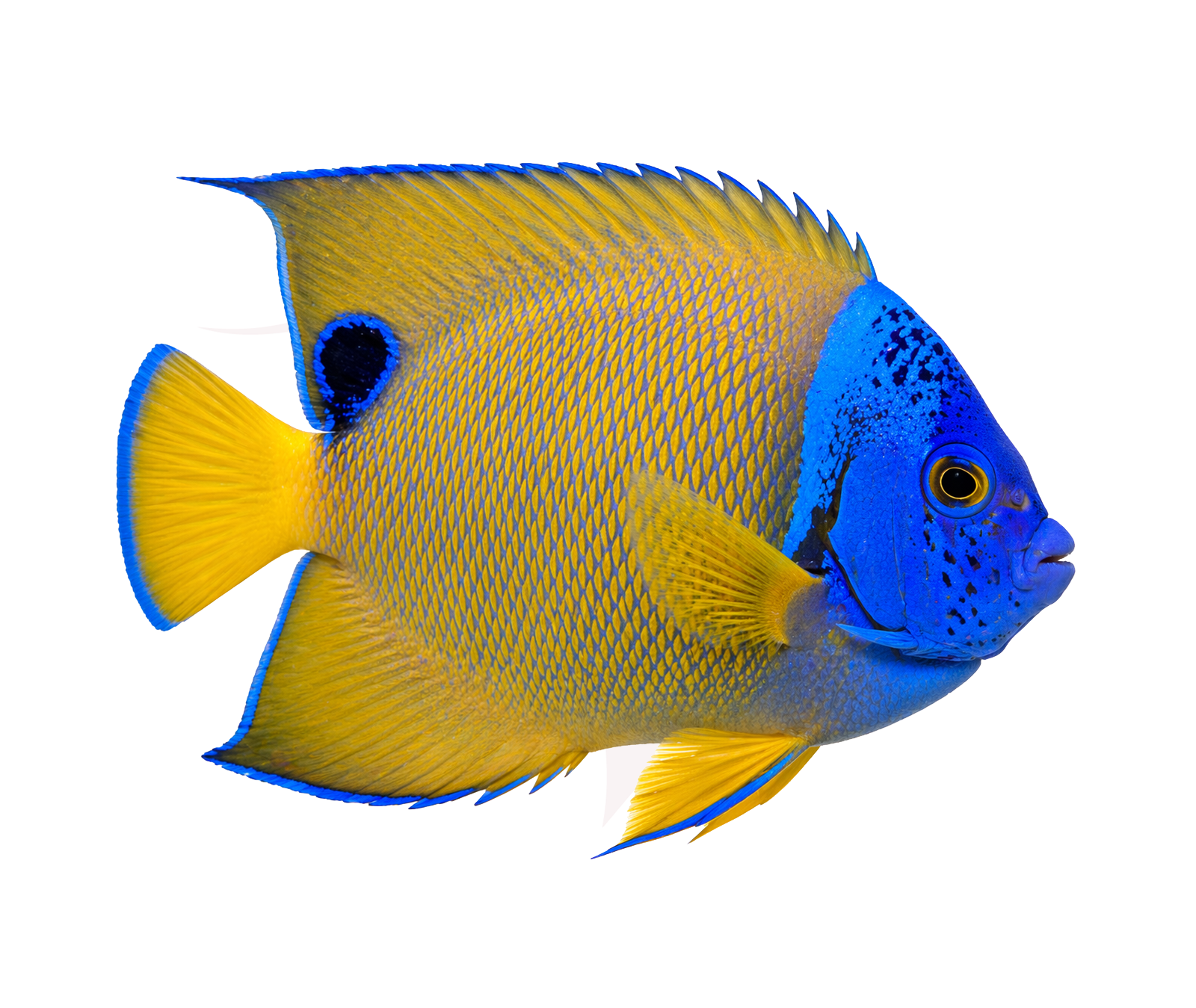
Quick facts about Blueface Angelfish
Blueface angelfish are large marine fish found on coral reefs across the Indo-Pacific. Adults display a vibrant blue face with a yellow mask and a body covered in blue and yellow scaling patterns.
They are active swimmers and require plenty of space.

Pomacanthus xanthometopon

30-38 cm

Indo-Pacific

450-500L+ (120-130gal)

10-15+ years

Semi-aggressive, territorial

24-26°C

Omnivore (sponges, algae, prepared foods)

8.1-8.4

£70-£200+ depending on size
How Many Blueface Angelfish Should You Keep?
Blueface angelfish are best kept singly.
- Keep one per tank
- Avoid mixing with other large angelfish unless in very large systems
- Provide plenty of space to reduce aggression
Keeping more than one can lead to:
- Territorial disputes
- Stress and injury
They are dominant fish in most aquariums.
Ideal Tank Conditions for Blueface Angelfish
Providing the right environment is essential for their health and long-term success.
- Tank Setup: Large marine aquarium with ample swimming space
- Live Rock: Essential for grazing and shelter
- Water Conditions: Stable, high-quality marine parameters
- Filtration: Strong filtration with protein skimming required
- Lighting: Moderate to reef-level lighting
- Flow: Moderate water movement
A mature tank is important for their wellbeing.
Compatibility with Other Fish
Blueface angelfish can be kept in larger marine community tanks with care.
- Good Tankmates: tangs, larger wrasses, triggers (with caution), and other robust species
- Avoid: small, delicate fish and other large angelfish
They may become more territorial as they mature.
Are Blueface Angelfish Easy to Care For?
Blueface angelfish are moderately difficult to care for and best suited to experienced aquarists.
They require:
- A large, mature aquarium
- Stable water conditions
- A varied diet including sponge-based foods
- Careful tankmate selection
They are hardy once established but require proper setup.
Blueface Angelfish Price in the UK
In the UK, Blueface angelfish typically cost between £70-£200+, depending on size and age.
Prices vary depending on:
- Size and maturity
- Colour development
- Availability
- Shop vs hobbyist sellers
Juveniles are usually less expensive than fully coloured adults.
Where to Buy Blueface Angelfish in the UK
Blueface angelfish are available from specialist marine aquarium shops and experienced hobbyists.
Sourcing fish locally can:
- Reduce transport stress
- Allow you to assess health and colouration
- Offer better value
TankMate UK helps connect aquarists who want to buy, sell, or rehome marine fish safely - without shipping.




Can You Sell Blueface Angelfish?
Yes - Blueface angelfish are sometimes sold or rehomed by hobbyists upgrading or downsizing their tanks.
Selling locally is often the best option, as it:
- Minimises stress for the fish
- Avoids the risks of shipping
- Helps ensure suitable homes
TankMate UK allows you to list fish quickly and find local buyers.
Feeding Blueface Angelfish
Blueface angelfish are omnivorous but require a specialised diet.
Key Tips:
- Feed high-quality angelfish preparations (including sponge-based foods)
- Supplement with algae, frozen foods, and pellets
- Offer a varied diet to maintain colour and health
- Feed multiple times per day
- A varied diet is essential for long-term health.
Common Problems with Blueface Angelfish
Loss of colour or poor condition, often caused by:
- Poor diet
- Stress
- Inadequate tank size
Aggression, linked to:
- Territorial behaviour
- Incompatible tankmates
Poor adaptation, caused by:
- Immature tanks
- Stress during introduction
Why Blueface Angelfish Are So Popular
- Striking blue facial markings
- Bold yellow and blue body pattern
- Large and impressive centrepiece fish
- Active and engaging behaviour
- Highly prized by experienced aquarists
When kept correctly, Blueface angelfish are a standout species that bring colour and presence to large marine aquariums.
Frequently Asked Questions
Yes, juveniles have different markings that change as they mature.
Not fully-they may nip at corals and invertebrates.
They can be semi-aggressive, especially as they mature.
At least 450-500 litres, with larger tanks strongly recommended.
Looking to Buy or Sell Blueface Angelfish Locally?
TankMate UK connects aquarists who want to buy, sell, or rehome marine fish safely within their local area.
Whether you're upgrading your marine setup or passing fish on to a new home, you can:
- Browse listings near you
- List your own fish in minutes
- Avoid the risks of shipping
Explore local listings with TankMate UK and find the right additions for your aquarium.