

Cherry Shrimp Care Guide
The Cherry Shrimp (Neocaridina davidi) is one of the most popular freshwater invertebrates in the UK aquarium hobby. Known for its bright red colouration, algae-eating abilities, and ease of care, it's a favourite for planted aquariums and nano tanks.
In this guide, you'll learn everything you need to know about Cherry Shrimp care, including tank size, water conditions, compatibility, breeding, and typical UK prices - plus how to buy or sell them locally.
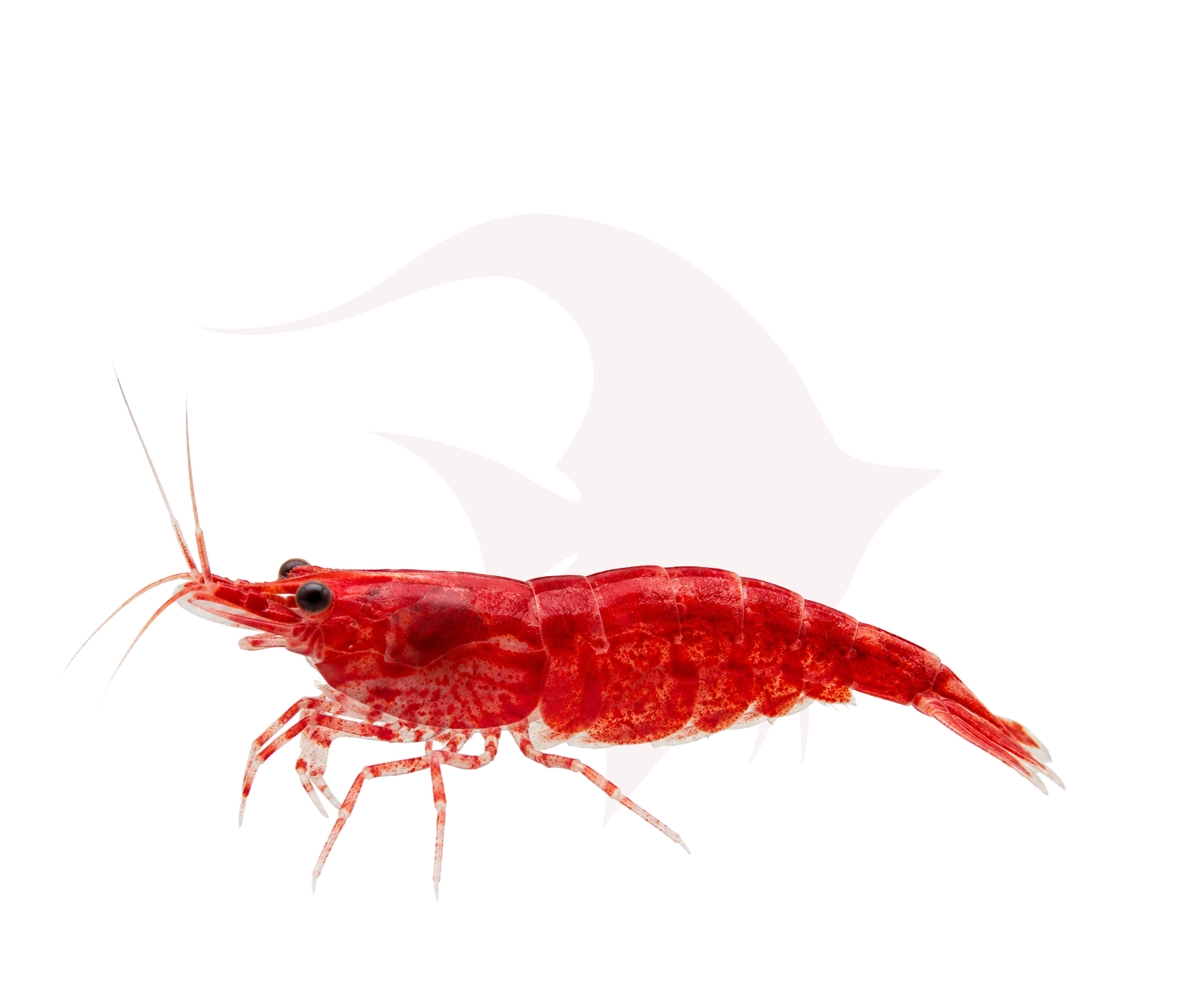
Quick facts about Cherry Shrimp
Cherry shrimp are small freshwater dwarf shrimp native to Taiwan. Selective breeding has produced a range of colour grades, from pale red shrimp to deep crimson "fire red" and "painted fire red" varieties.
They are peaceful scavengers that help keep aquariums clean by consuming algae and leftover food.

Neocaridina davidi

2-3 cm

Taiwan

20L (5gal)

1-2 years

Peaceful

18-28°C

Algae, biofilm, shrimp foods, vegetables

6.5-8.0

£1-£10+ per shrimp depending on grade
How Many Cherry Shrimp Should You Keep?
Cherry shrimp are social and do best in groups.
- A minimum group of 10 is recommended
- Larger colonies encourage natural behaviour and breeding
- Well-established tanks support healthier populations
Keeping too few can lead to:
- Reduced breeding success
- Less natural behaviour
- Greater vulnerability to fish predation
Colonies often grow naturally once established.
Ideal Tank Conditions for Cherry Shrimp
Providing the right environment is essential for healthy shrimp and successful moulting.
- Tank Setup: Mature planted aquarium with plenty of cover
- Substrate: Shrimp-safe substrate or fine gravel
- Plants & Decor: Mosses, driftwood, rocks, and dense planting
- Water Conditions: Stable freshwater with adequate minerals
- Filtration & Flow: Gentle filtration with shrimp-safe intakes
- Lighting: Moderate lighting to encourage biofilm and algae growth
Stability is more important than chasing exact water parameters.
Compatibility with Other Fish
Cherry shrimp are peaceful and can be kept with carefully chosen tankmates.
- Good Tankmates: small rasboras, ember tetras, otocinclus, pygmy corydoras, and peaceful snails
- Avoid: cichlids, larger tetras, barbs, bettas, and most fish large enough to eat shrimp
Even peaceful fish may eat baby shrimp.
Dense planting greatly improves survival rates.
Are Cherry Shrimp Easy to Care For?
Cherry shrimp are easy to care for and suitable for beginners.
They require:
- Stable water conditions
- Mature aquariums
- Adequate minerals for moulting
- Protection from predators
They are among the easiest freshwater shrimp to keep and breed.
Cherry Shrimp Price in the UK
In the UK, cherry shrimp typically cost between £1-£10+ each.
Prices vary depending on:
- Colour grade
- Age and size
- Breeding quality
- Availability
Higher-grade fire red shrimp command significantly higher prices.
Where to Buy Cherry Shrimp in the UK
Cherry shrimp are widely available from aquarium shops and hobbyist breeders.
Sourcing shrimp locally can:
- Reduce transport stress
- Allow you to inspect colour quality
- Offer better value
TankMate UK helps connect aquarists who want to buy, sell, or rehome aquatic livestock safely - without shipping.




Can You Sell Cherry Shrimp?
Yes - cherry shrimp are one of the most commonly bred aquarium invertebrates.
Selling locally is often the best option, as it:
- Minimises transport stress
- Avoids shipping risks
- Connects you with local hobbyists
TankMate UK allows you to list livestock quickly and find local buyers.
Breeding Cherry Shrimp
Cherry shrimp breed readily in stable aquariums.
Key Tips
- Maintain stable water conditions
- Provide mosses and dense cover
- Avoid fish that prey on shrimplets
- Ensure a healthy mix of males and females
Females carry eggs beneath their abdomen for around 3-4 weeks before releasing miniature shrimp.
No special breeding setup is usually required.
Common Problems with Cherry Shrimp
Failed moults, often caused by:
- Low mineral levels
- Rapid parameter changes
- Poor water quality
Population decline, linked to:
- Fish predation
- Copper contamination
- Unstable conditions
Faded colours, caused by:
- Poor genetics
- Stress
- Inadequate nutrition
Why Cherry Shrimp Are So Popular
- Bright red colouration
- Excellent algae and biofilm grazers
- Easy to breed
- Ideal for nano aquariums
- Peaceful and fascinating behaviour
When kept correctly, cherry shrimp provide colour, activity, and practical cleaning benefits in freshwater aquariums.
Frequently Asked Questions
Yes, they are one of the easiest freshwater shrimp species to keep.
Yes, they consume algae, biofilm, and leftover food.
At least 10, though larger colonies are recommended.
They can thrive in tanks as small as 20 litres, provided water quality remains stable.
Looking to Buy or Sell Cherry Shrimp Locally?
TankMate UK connects aquarists who want to buy, sell, or rehome aquatic livestock safely within their local area.
Whether you're starting a shrimp colony or passing surplus shrimp on to new homes, you can:
- Browse livestock available near you
- List your own in minutes
- Avoid the risks of shipping
Explore local listings with TankMate UK and find the right additions for your aquarium.