

Clown Loach Care Guide
The clown loach (Chromobotia macracanthus) is a striking and highly popular tropical freshwater fish in the UK. Known for its bright orange body, bold black bands, and playful personality, it's a favourite for larger community aquariums.
In this guide, you'll learn everything you need to know about clown loach care, including tank size, water conditions, compatibility, feeding, and typical UK prices - plus how to buy or sell them locally.
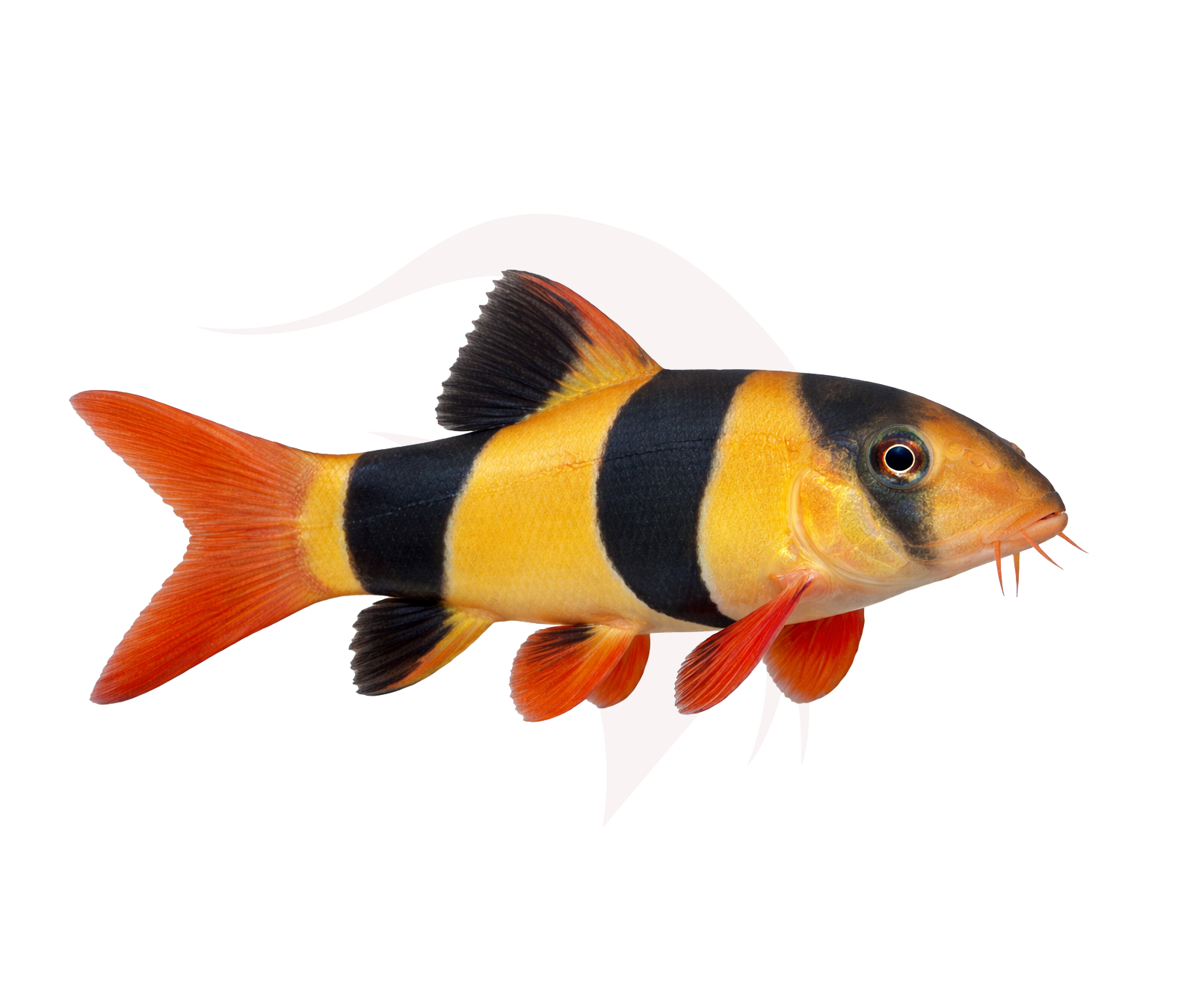
Quick facts about Clown Loaches
Clown loaches are large, social fish native to rivers in Indonesia. They are known for their active behaviour, strong social bonds, and long lifespan.
Although often sold small, they grow significantly and require large aquariums as adults.

Chromobotia macracanthus

20-30 cm (can grow larger in ideal conditions)

Indonesia (Borneo, Sumatra)

300L+ (75gal+)

10-20+ years

Peaceful, social, active

25-30°C

Omnivore (sinking pellets, frozen, live foods, snails)

6.0-7.5

£8-£20 per fish (juveniles)
How Many Clown Loaches Should You Keep?
Clown loaches are highly social and should always be kept in groups.
- Minimum group size of 5-6
- Larger groups are strongly recommended
- They form social hierarchies and interact constantly
Keeping too few can lead to:
- Stress and hiding
- Increased aggression
- Unnatural behaviour
Due to their adult size, groups require very large aquariums.
Ideal Tank Conditions for Clown Loaches
Providing the right environment is essential, especially given their size and activity level.
- Tank Setup: A large tank with open swimming space and hiding areas
- Substrate: Fine sand or smooth gravel to protect their barbels
- Plants & Decor: Include driftwood, rocks, caves, and shaded areas
- Water Conditions: Slightly soft, neutral water is ideal
- Filtration & Flow: Strong filtration and good oxygenation are important
- Lighting: Moderate to subdued lighting is preferred
Stable, high-quality water is critical for their long-term health.
Compatibility with Other Fish
Clown loaches are peaceful despite their size and do well in community aquariums with suitable tankmates.
- Good Tankmates: larger tetras, barbs (non-aggressive species), rainbowfish, gouramis, and other peaceful fish
- Avoid: aggressive species and very small fish that may be intimidated
They are active and can be boisterous, so tankmates should tolerate this behaviour.
Are Clown Loaches Easy to Care For?
Clown loaches are moderately difficult to care for due to their size and long-term requirements.
They require:
- Very large tanks as adults
- Stable, high-quality water
- A proper group size
- A varied diet
They are often not suitable for beginners unless future tank upgrades are planned.
Clown Loach Price in the UK
In the UK, clown loaches typically cost between £8-£20 per fish when juvenile. Larger specimens can cost significantly more.
Prices vary depending on:
- Size and age
- Availability
- Shop vs hobbyist sellers
They are commonly sold small, which can mislead buyers about their eventual size.
Where to Buy Clown Loaches in the UK
Clown loaches are widely available in UK aquarium shops, but many fishkeepers prefer sourcing them locally.
Sourcing fish locally can:
- Reduce transport stress
- Improve survival rates
- Offer better value
TankMate UK helps connect fishkeepers who want to buy, sell, or rehome fish safely - without shipping.




Can You Sell Clown Loaches?
Yes - clown loaches are often rehomed by aquarists when they outgrow their tanks.
Selling locally is often the best option, as it:
- Minimises stress for the fish
- Avoids the risks of shipping
- Helps find appropriately sized homes
TankMate UK allows you to list fish quickly and find local buyers.
Feeding Clown Loaches
Clown loaches are omnivorous and enjoy a varied diet.
Key Tips:
- Feed sinking pellets, frozen foods, and live foods
- They enjoy snails and can help control snail populations
- Supplement with vegetables such as courgette or cucumber
- Feed regularly, especially in groups
- A balanced diet supports growth and health.
Common Problems with Clown Loaches
Stunted growth, often caused by:
- Tanks that are too small
- Poor diet
Stress and illness, linked to:
- Poor water quality
- Being kept in too small a group
Barbel damage, caused by:
- Rough substrate
Why Clown Loaches Are So Popular
- Striking orange and black colouration
- Playful and social behaviour
- Long lifespan
- Help control snails
- Highly interactive and intelligent
When kept correctly, clown loaches become a standout feature in large aquariums.
Frequently Asked Questions
They can grow to 20-30 cm or larger in ideal conditions.
No, they should be kept in groups of at least 5-6.
Yes, they are well known for eating snails.
At least 300 litres, with much larger tanks needed for groups.
Looking to Buy or Sell Clown Loaches Locally?
TankMate UK connects fishkeepers who want to buy, sell, or rehome fish safely within their local area.
Whether you're stocking your aquarium or passing fish on to a new home, you can:
- Browse fish available near you
- List your own fish in minutes
- Avoid the risks of shipping
Explore local listings with TankMate UK and find the right fish for your aquarium.