

Cockatoo Dwarf Cichlid Care Guide
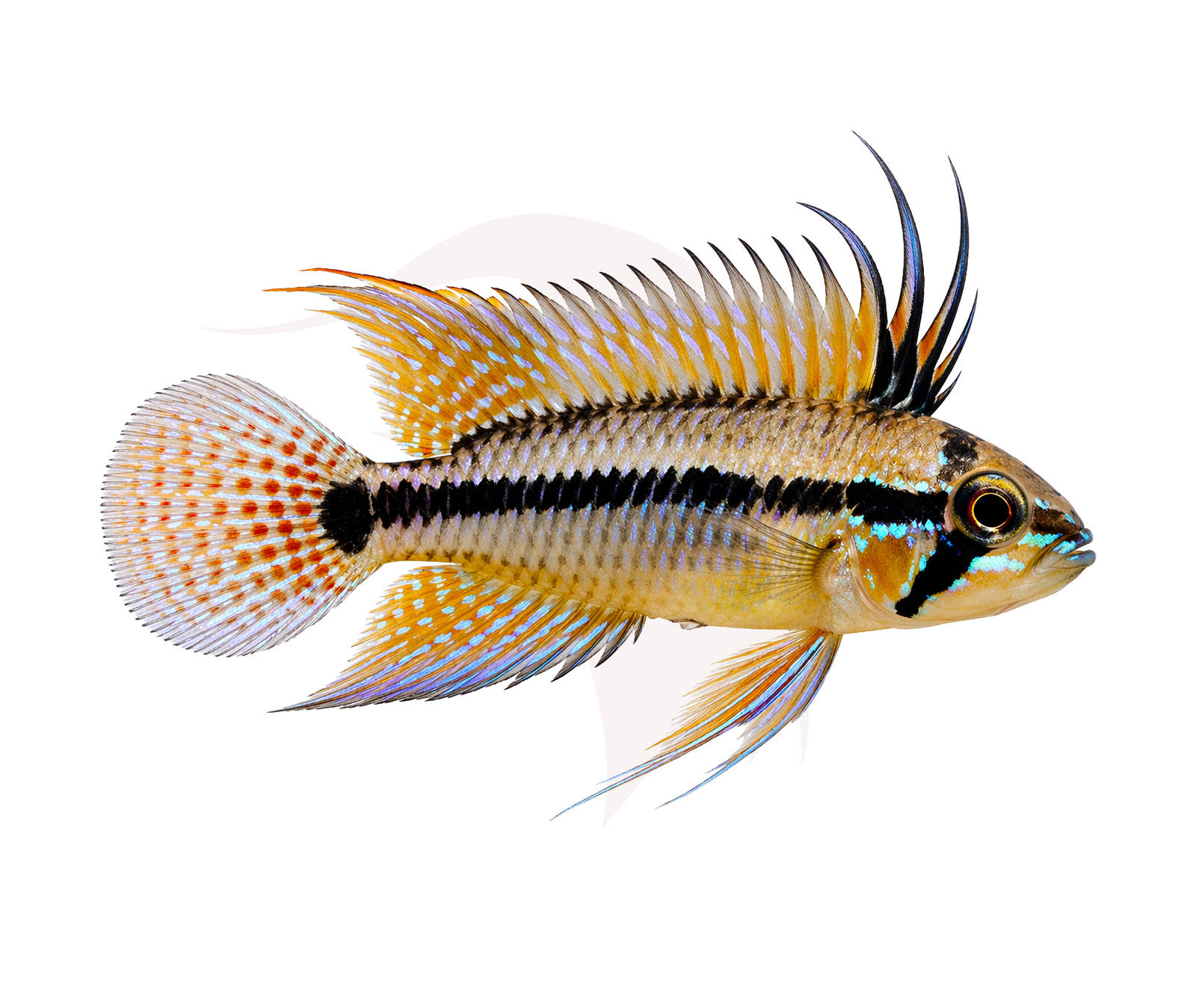
The Cockatoo Dwarf Cichlid (Apistogramma cacatuoides) is a colourful and popular freshwater cichlid among UK aquarists. Known for its vibrant finnage and interesting behaviour, it's one of the best dwarf cichlids for planted and community aquariums.
In this guide, you'll learn everything you need to know about Cockatoo Dwarf Cichlid care, including tank size, water conditions, compatibility, feeding, and typical UK prices - plus how to buy or sell them locally.
Quick facts about Cockatoo Dwarf Cichlids
Cockatoo dwarf cichlids are small South American cichlids native to slow-moving tributaries of the Amazon Basin. Males are especially colourful and develop elongated dorsal fin rays resembling a cockatoo crest.
They are intelligent, territorial fish with fascinating breeding behaviour.

Apistogramma cacatuoides

5-9 cm

South America (Amazon Basin)

75L (20gal)

5-8 years

Peaceful to semi-aggressive

24-28°C

Omnivore (micro pellets, frozen, live foods)

6.0-7.5

£8-£25 per fish
How Many Cockatoo Dwarf Cichlids Should You Keep?
Cockatoo dwarf cichlids are best kept as pairs or harems in suitable aquariums.
- One male with 2-3 females works well in larger tanks
- Pairs are suitable for smaller setups
- Provide plenty of visual barriers and territories
Keeping multiple males together in small tanks can lead to:
- Territorial aggression
- Stress and chasing
- Competition for breeding areas
Females become territorial while guarding fry.
Ideal Tank Conditions for Cockatoo Dwarf Cichlids
Providing the right environment helps them display natural behaviour and strong colouration.
- Tank Setup: Heavily planted aquarium with caves and cover
- Substrate: Fine sand is ideal
- Plants & Decor: Driftwood, leaf litter, caves, coconut shells, and dense planting
- Water Conditions: Soft to moderately hard stable freshwater
- Filtration & Flow: Gentle filtration with low to moderate flow
- Lighting: Dim to moderate lighting preferred
A natural aquascape helps reduce stress and aggression.
Compatibility with Other Fish
Cockatoo dwarf cichlids are relatively peaceful and work well in community aquariums.
- Good Tankmates: tetras, rasboras, corydoras catfish, pencilfish, and peaceful gouramis
- Avoid: aggressive cichlids, fin-nippers, and very boisterous fish
They are generally peaceful outside breeding periods.
Are Cockatoo Dwarf Cichlids Easy to Care For?
Cockatoo dwarf cichlids are moderately easy to care for and suitable for aquarists with some experience.
They require:
- Stable water quality
- Plenty of cover and territories
- A varied diet
- Peaceful surroundings
They are hardier than many other Apistogramma species.
Cockatoo Dwarf Cichlid Price in the UK
In the UK, Cockatoo dwarf cichlids typically cost between £8-£25 per fish.
Prices vary depending on:
- Colour variety
- Sex and size
- Availability
- Shop vs hobbyist breeders
Premium strains such as double red or triple red varieties may cost more.
Where to Buy Cockatoo Dwarf Cichlids in the UK
Cockatoo dwarf cichlids are widely available in UK aquarium shops and from hobbyist breeders.
Sourcing fish locally can:
- Reduce transport stress
- Allow you to inspect colour and health
- Offer better value
TankMate UK helps connect fishkeepers who want to buy, sell, or rehome fish safely - without shipping.




Can You Sell Cockatoo Dwarf Cichlids?
Yes - Cockatoo dwarf cichlids are commonly bred and sold by hobbyists.
Selling locally is often the best option, as it:
- Minimises stress for the fish
- Avoids the risks of shipping
- Connects you with responsible aquarists
TankMate UK allows you to list fish quickly and find local buyers.
Feeding Cockatoo Dwarf Cichlids
Cockatoo dwarf cichlids are omnivorous and require a varied diet.
Key Tips
- Feed quality micro pellets or granules
- Supplement with frozen foods such as bloodworms, daphnia, and brine shrimp
- Feed small portions 1-2 times daily
- Provide occasional live foods for conditioning
A varied diet helps maintain strong colours and breeding condition.
Common Problems with Cockatoo Dwarf Cichlids
Territorial aggression, often caused by:
- Small tank sizes
- Too many males
- Lack of hiding spaces
Stress or faded colours, linked to:
- Poor water quality
- Aggressive tankmates
Breeding aggression, caused by:
- Females protecting fry or spawning sites
Why Cockatoo Dwarf Cichlids Are So Popular
- Bright colours and dramatic finnage
- Interesting dwarf cichlid behaviour
- Suitable for planted aquariums
- Peaceful compared to larger cichlids
- Excellent personality in small tanks
When kept correctly, Cockatoo dwarf cichlids become colourful and fascinating centrepiece fish for planted aquariums.
Frequently Asked Questions
They are generally peaceful but become territorial during breeding.
Yes, with peaceful similarly sized fish.
Typically 5-9 cm depending on sex.
At least 75 litres, with plenty of hiding places and territories.
Looking to Buy or Sell Cockatoo Dwarf Cichlids Locally?
TankMate UK connects fishkeepers who want to buy, sell, or rehome fish safely within their local area.
Whether you're adding colourful dwarf cichlids to your aquarium or passing fish on to a new home, you can:
- Browse fish available near you
- List your own fish in minutes
- Avoid the risks of shipping
Explore local listings with TankMate UK and find the right fish for your aquarium.