

Electric Blue Hap Care Guide
The Electric Blue Hap (Sciaenochromis fryeri) is one of the most striking African cichlids available to UK aquarists. Famous for its intense metallic blue colouration, active personality, and impressive size, it is a popular choice for Malawi cichlid aquariums.
In this guide, you'll learn everything you need to know about Electric Blue Hap care, including tank size, water conditions, compatibility, feeding, and typical UK prices - plus how to buy or sell them locally.
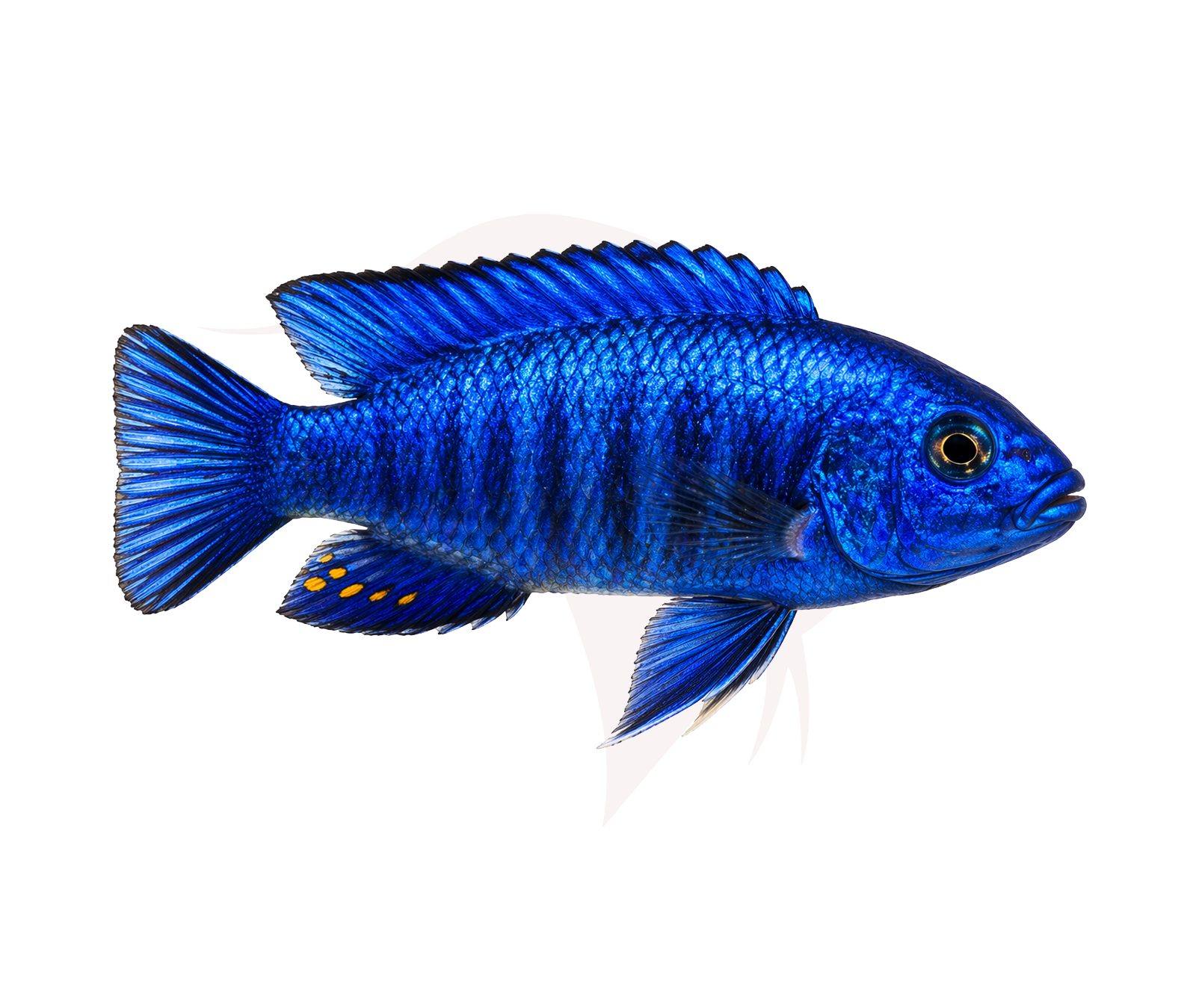
Quick facts about Electric Blue Haps
Electric Blue Haps originate from Lake Malawi in East Africa. Males develop a vivid electric-blue coloration as they mature, while females remain a more subdued silver-grey.
They are predatory haplochromine cichlids that occupy open-water areas of the lake and are known for their confident and active behaviour.

Sciaenochromis fryeri

15-20 cm

Lake Malawi, East Africa

300L (80gal)

8-12 years

Semi-aggressive

24-28°C

Carnivore

7.8-8.6

£10-£30 per fish
How Many Electric Blue Haps Should You Keep?
Electric Blue Haps are typically kept in harems.
- One male with several females works best
- A ratio of 1 male to 3-5 females is often recommended
- Larger aquariums can support multiple males if sufficient territory is available
Keeping multiple males in smaller tanks can lead to:
- Territorial disputes
- Stress and aggression
- Suppressed coloration in subordinate males
Providing plenty of space helps reduce conflict.
Ideal Tank Conditions for Electric Blue Haps
Providing the right environment helps Electric Blue Haps display their best colours and natural behaviour.
- Tank Setup: Rocky Malawi cichlid aquarium with open swimming areas
- Substrate: Sand substrate preferred
- Plants & Decor: Rock formations, caves, and territories
- Water Conditions: Hard, alkaline freshwater
- Filtration & Flow: Strong filtration and excellent oxygenation
- Lighting: Moderate to bright lighting
Stable water quality is essential for maintaining health and vibrant coloration.
Compatibility with Other Fish
Electric Blue Haps can coexist well with other suitably sized Malawi cichlids.
- Good Tankmates: peacock cichlids, red empress cichlids, sunshine peacocks, blue dolphin cichlids, and other non-aggressive haps
- Avoid: very small mbuna, timid fish, and species small enough to be viewed as prey
They are generally less aggressive than many mbuna species but still require careful stocking.
Are Electric Blue Haps Easy to Care For?
Electric Blue Haps are moderately easy to care for and suitable for aquarists with some cichlid experience.
They require:
- Hard, alkaline water
- Strong filtration
- Adequate swimming space
- Appropriate tankmates
Once established, they are hardy and relatively straightforward to maintain.
Electric Blue Hap Price in the UK
In the UK, Electric Blue Haps typically cost between £10-£30 per fish.
Prices vary depending on:
- Size and maturity
- Colour quality
- Availability
- Breeder reputation
Large mature males with exceptional coloration often command premium prices.
Where to Buy Electric Blue Haps in the UK
Electric Blue Haps are widely available from specialist African cichlid breeders and aquarium shops.
Sourcing fish locally can:
- Reduce transport stress
- Allow you to inspect colouration and health
- Offer better value
TankMate UK helps connect fishkeepers who want to buy, sell, or rehome fish safely - without shipping.




Can You Sell Electric Blue Haps?
Yes - Electric Blue Haps are frequently bred and sold by hobbyists.
Selling locally is often the best option because it:
- Minimises transport stress
- Avoids the risks of shipping
- Connects you with local cichlid enthusiasts
TankMate UK allows you to list fish quickly and find local buyers.
Feeding Electric Blue Haps
Electric Blue Haps are carnivorous predators in the wild.
Key Tips
- Feed high-quality cichlid pellets
- Supplement with krill, mysis shrimp, and other frozen foods
- Offer a varied protein-rich diet
- Avoid excessive fatty foods
A balanced diet helps maximise growth and maintain vibrant blue coloration.
Common Problems with Electric Blue Haps
Aggression, often caused by:
- Overcrowding
- Insufficient territories
- Too many males
Colour loss, linked to:
- Stress
- Poor water quality
- Subordinate social status
Malawi Bloat, caused by:
- Poor diet
- Water quality issues
- Stress
Good husbandry significantly reduces the risk of health problems.
Why Electric Blue Haps Are So Popular
- Spectacular electric-blue coloration
- Active and engaging behaviour
- Excellent centrepiece cichlid
- Hardy and long-lived
- One of the most recognisable Malawi species
When kept correctly, Electric Blue Haps become stunning display fish that provide colour and personality in African cichlid aquariums.
Frequently Asked Questions
Most adults reach between 15-20 cm in length.
They are semi-aggressive but generally less aggressive than many mbuna cichlids.
Yes, they are commonly kept together in appropriately sized Malawi aquariums.
At least 300 litres, with larger aquariums preferred for mixed cichlid communities.
Looking to Buy or Sell Electric Blue Haps Locally?
TankMate UK connects fishkeepers who want to buy, sell, or rehome fish safely within their local area.
Whether you're building a vibrant Lake Malawi aquarium or looking to responsibly rehome cichlids, you can:
- Browse fish available near you
- List your own fish in minutes
- Avoid the risks of shipping
Explore local listings with TankMate UK and find the right fish for your aquarium.