

Glass Catfish Care Guide
The Glass Catfish (Kryptopterus vitreolus) is one of the most unusual tropical freshwater fish available in the UK. Known for its almost transparent body and peaceful schooling behaviour, it's a fascinating addition to calm, planted aquariums.
In this guide, you'll learn everything you need to know about Glass Catfish care, including tank size, water conditions, compatibility, feeding, and typical UK prices - plus how to buy or sell them locally.
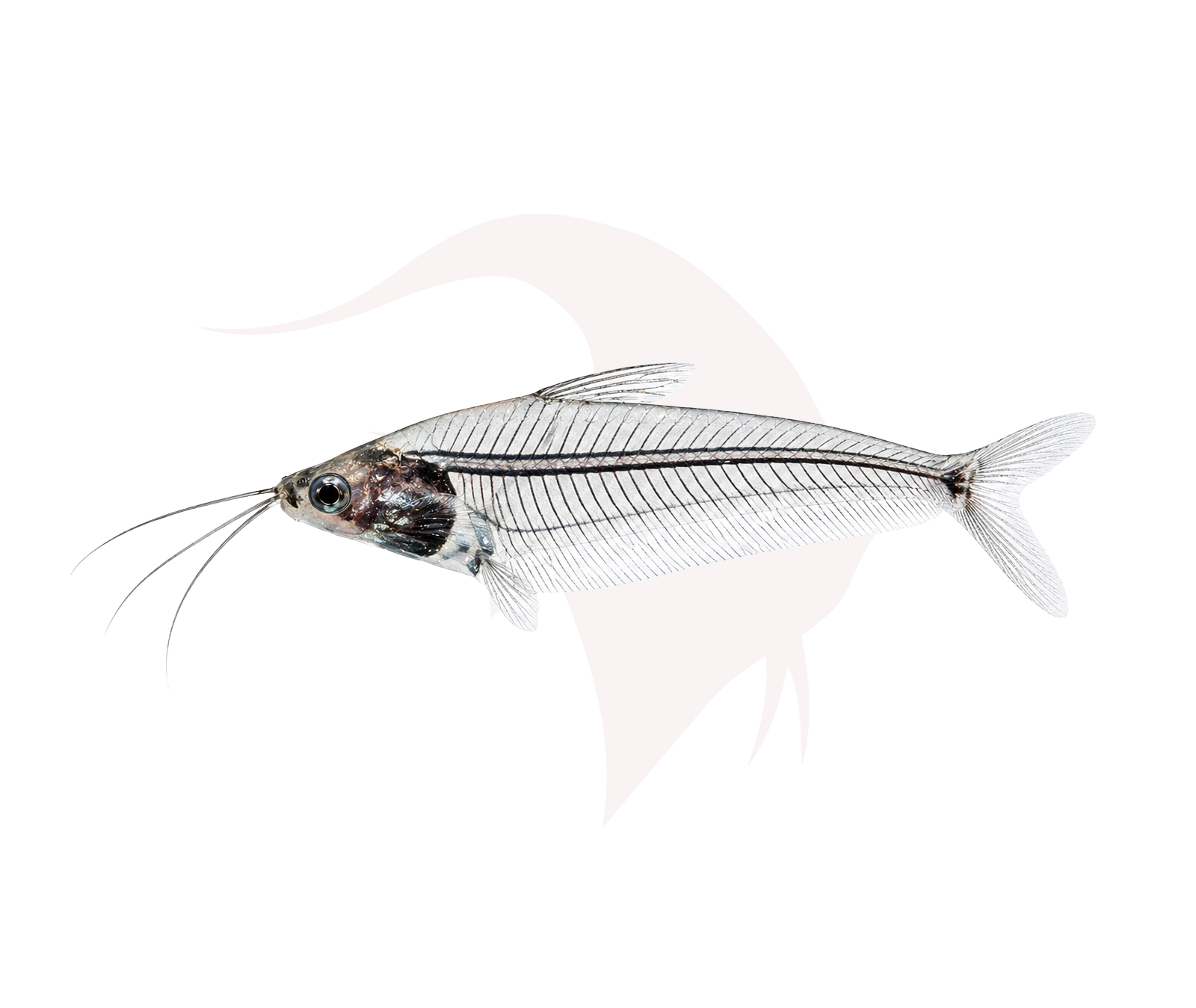
Quick facts about Glass Catfish
Glass catfish are delicate shoaling fish native to Southeast Asia. Their transparent bodies allow parts of their spine and internal organs to be visible, giving them a unique ghost-like appearance.
They are peaceful, sensitive fish that thrive in calm, mature aquariums.

Kryptopterus vitreolus

8-10 cm

Thailand

90L (24gal)

5-8 years

Peaceful, shoaling

24-28°C

Omnivore (small pellets, frozen, live foods)

6.0-7.5

£5-£12 per fish
How Many Glass Catfish Should You Keep?
Glass catfish are shoaling fish and should always be kept in groups.
- A minimum group of 6 is recommended
- Groups of 8-10+ help reduce stress
- Larger groups encourage natural schooling behaviour
Keeping too few can lead to:
- Shyness and hiding
- Stress and poor health
- Loss of confidence and activity
They are most comfortable in larger peaceful shoals.
Ideal Tank Conditions for Glass Catfish
Providing the right environment is essential for keeping glass catfish healthy and visible.
- Tank Setup: Calm planted aquarium with open swimming space
- Substrate: Sand or dark gravel substrate
- Plants & Decor: Dense planting, driftwood, and shaded areas
- Water Conditions: Soft, stable freshwater with excellent quality
- Filtration & Flow: Gentle to moderate flow with good oxygenation
- Lighting: Dim to moderate lighting preferred
A mature, stable aquarium is very important for this species.
Compatibility with Other Fish
Glass catfish are peaceful and ideal for calm community aquariums.
- Good Tankmates: rasboras, tetras, kuhli loaches, honey gouramis, and peaceful shrimp
- Avoid: aggressive fish, fin-nippers, and large boisterous species
They are shy and easily stressed by active or aggressive tankmates.
Are Glass Catfish Easy to Care For?
Glass catfish are moderately difficult to care for and better suited to aquarists with some experience.
They require:
- Stable water quality
- A mature aquarium
- Peaceful surroundings
- Proper shoal size
They can struggle in unstable or newly established tanks.
Glass Catfish Price in the UK
In the UK, glass catfish typically cost between £5-£12 per fish.
Prices vary depending on:
- Size and health
- Availability
- Shop vs hobbyist sellers
Healthy, established specimens are preferable for this sensitive species.
Where to Buy Glass Catfish in the UK
Glass catfish are available in many UK aquarium shops and from hobbyist breeders.
Sourcing fish locally can:
- Reduce transport stress
- Allow you to assess condition and activity
- Offer better value
TankMate UK helps connect fishkeepers who want to buy, sell, or rehome fish safely - without shipping.




Can You Sell Glass Catfish?
Yes - glass catfish are occasionally bred and sold by specialist hobbyists.
Selling locally is often the best option, as it:
- Minimises stress for the fish
- Avoids the risks of shipping
- Connects you with responsible aquarists
TankMate UK allows you to list fish quickly and find local buyers.
Feeding Glass Catfish
Glass catfish are omnivorous and prefer small foods.
Key Tips
- Feed high-quality micro pellets or flakes
- Supplement with frozen foods such as daphnia and bloodworms
- Feed small portions 1-2 times daily
- Ensure shy individuals receive enough food
They may initially be timid feeders in busy tanks.
Common Problems with Glass Catfish
Hiding constantly, often caused by:
- Small shoal sizes
- Aggressive tankmates
- Bright lighting
Stress and poor health, linked to:
- Poor water quality
- Immature aquariums
Loss of appetite, caused by:
- Stress during acclimation
- Competition from faster fish
Why Glass Catfish Are So Popular
- Unique transparent body
- Peaceful schooling behaviour
- Ideal for planted aquariums
- Unusual and eye-catching appearance
- Elegant movement in groups
When kept correctly, glass catfish create a beautiful and almost floating effect within peaceful aquariums.
Frequently Asked Questions
Their bodies naturally lack heavy pigmentation, making internal structures partially visible.
They are sensitive to unstable water conditions and require mature aquariums.
At least 6, though larger groups are strongly recommended.
At least 90 litres, with planted areas and stable water conditions.
Looking to Buy or Sell Glass Catfish Locally?
TankMate UK connects fishkeepers who want to buy, sell, or rehome fish safely within their local area.
Whether you're adding unusual schooling fish to your aquarium or passing fish on to a new home, you can:
- Browse fish available near you
- List your own fish in minutes
- Avoid the risks of shipping
Explore local listings with TankMate UK and find the right fish for your aquarium.