

Mustard Gas Betta Care Guide
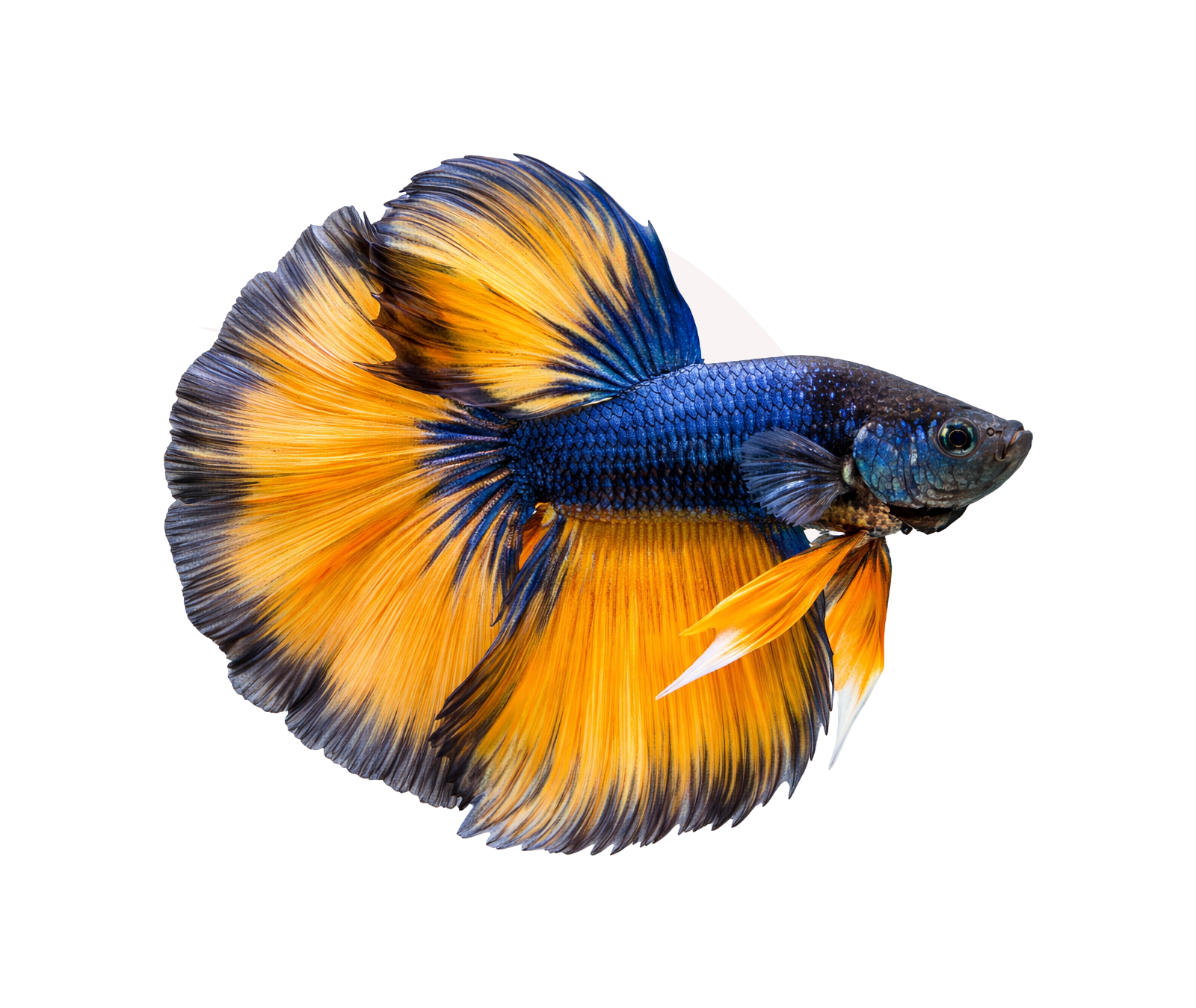
The Mustard Gas Betta (Betta splendens) is one of the most striking and sought-after betta varieties in the UK aquarium hobby. Known for its deep blue body contrasted with vibrant yellow or golden fins, it is a favourite among betta enthusiasts looking for a truly eye-catching centrepiece fish.
In this guide, you'll learn everything you need to know about Mustard Gas Betta care, including tank size, water conditions, compatibility, feeding, and typical UK prices - plus how to buy or sell them locally.
Quick facts about Mustard Gas Bettas
Mustard Gas Bettas are a selectively bred colour variety of the Siamese Fighting Fish. Their distinctive appearance combines a dark blue or turquoise body with bright yellow, gold, or mustard-coloured fins.
They are intelligent fish with unique personalities and are often highly interactive with their owners.

Betta splendens

6-7 cm

Derived from fish native to Thailand, Cambodia, Laos, and Vietnam

25L (5gal)

2-5 years

Territorial, solitary

24-28°C

Carnivore (betta pellets, frozen and live foods)

6.5-7.5

£15-£60+ depending on quality and finnage
How Many Mustard Gas Bettas Should You Keep?
Mustard Gas Bettas are typically kept alone.
- One male per aquarium is recommended
- Male bettas should never be housed together
- Females may be kept in carefully managed groups by experienced keepers, though this carries risks
Keeping multiple males together can result in:
- Severe aggression
- Fin damage
- Serious injury or death
A single betta usually makes the perfect centrepiece fish.
Ideal Tank Conditions for Mustard Gas Bettas
Providing the right environment helps maintain vibrant colours and healthy finnage.
- Tank Setup: Planted aquarium with calm water and resting areas
- Substrate: Sand or smooth gravel
- Plants & Decor: Live plants, floating plants, driftwood, caves, and broad leaves for resting
- Water Conditions: Warm, stable freshwater
- Filtration & Flow: Gentle filtration with minimal current
- Lighting: Moderate lighting
Bettas possess a labyrinth organ, allowing them to breathe atmospheric air from the water's surface.
Compatibility with Other Fish
Mustard Gas Bettas can coexist with carefully selected tankmates in larger aquariums.
- Good Tankmates: corydoras catfish, kuhli loaches, ember tetras, harlequin rasboras, and nerite snails
- Avoid: other bettas, tiger barbs, serpae tetras, aggressive fish, and fin-nipping species
Tankmate selection should always be approached cautiously.
Are Mustard Gas Bettas Easy to Care For?
Mustard Gas Bettas are relatively easy to care for and suitable for beginners.
They require:
- Warm stable temperatures
- Gentle filtration
- Regular maintenance
- High-quality feeding
Their long fins can make them more vulnerable to damage than wild betta species.
Mustard Gas Betta Price in the UK
In the UK, Mustard Gas Bettas typically cost between £15-£60+.
Prices vary depending on:
- Colour intensity and contrast
- Fin type (Halfmoon, Plakat, Crowntail, etc.)
- Breeding lineage
- Availability
Show-quality specimens can command significantly higher prices.
Where to Buy Mustard Gas Bettas in the UK
Mustard Gas Bettas are available from specialist betta breeders, aquarium shops, and hobbyist keepers.
Sourcing fish locally can:
- Reduce transport stress
- Allow you to inspect finnage and colouration
- Offer better value
TankMate UK helps connect fishkeepers who want to buy, sell, or rehome fish safely - without shipping.




Can You Sell Mustard Gas Bettas?
Yes - Mustard Gas Bettas are commonly bred and sold by specialist hobbyists.
Selling locally is often the best option, as it:
- Minimises stress for the fish
- Avoids the risks of shipping
- Connects you with local betta enthusiasts
TankMate UK allows you to list fish quickly and find local buyers.
Feeding Mustard Gas Bettas
Mustard Gas Bettas are carnivorous and require a protein-rich diet.
Key Tips
- Feed high-quality betta pellets as a staple food
- Supplement with frozen bloodworms, daphnia, and brine shrimp
- Feed small portions once or twice daily
- Avoid overfeeding to prevent digestive problems
A varied diet helps maintain vibrant colours and strong finnage.
Common Problems with Mustard Gas Bettas
Fin rot, often caused by:
- Poor water quality
- Stress
- Damaged fins
Fin damage, linked to:
- Sharp decorations
- Aggressive tankmates
- Excessive water flow
Swim bladder issues, caused by:
- Overfeeding
- Constipation
- Poor diet
Why Mustard Gas Bettas Are So Popular
- Striking blue and yellow colour combination
- Available in multiple fin types
- Ideal centrepiece fish
- Interactive and intelligent behaviour
- Suitable for smaller aquariums
When kept correctly, Mustard Gas Bettas become stunning focal points that bring colour and personality to any tropical aquarium.
Frequently Asked Questions
The combination of a dark blue body with contrasting yellow, gold, or mustard-coloured fins.
Like other male bettas, they are territorial towards other male bettas.
Yes, with carefully chosen peaceful tankmates in appropriately sized aquariums.
At least 25 litres, though larger planted aquariums are preferable.
Looking to Buy or Sell Mustard Gas Bettas Locally?
TankMate UK connects fishkeepers who want to buy, sell, or rehome fish safely within their local area.
Whether you're searching for a premium-quality betta or looking to find a responsible new home for one, you can:
- Browse fish available near you
- List your own fish in minutes
- Avoid the risks of shipping
Explore local listings with TankMate UK and find the right fish for your aquarium.