

Paradise Fish Care Guide
The Paradise Fish (Macropodus opercularis) is one of the oldest aquarium fish species kept by hobbyists and remains popular among UK aquarists today. Known for its vibrant colours, flowing fins, and hardy nature, it is a fascinating alternative to the more common betta.
In this guide, you'll learn everything you need to know about Paradise Fish care, including tank size, water conditions, compatibility, feeding, and typical UK prices - plus how to buy or sell them locally.
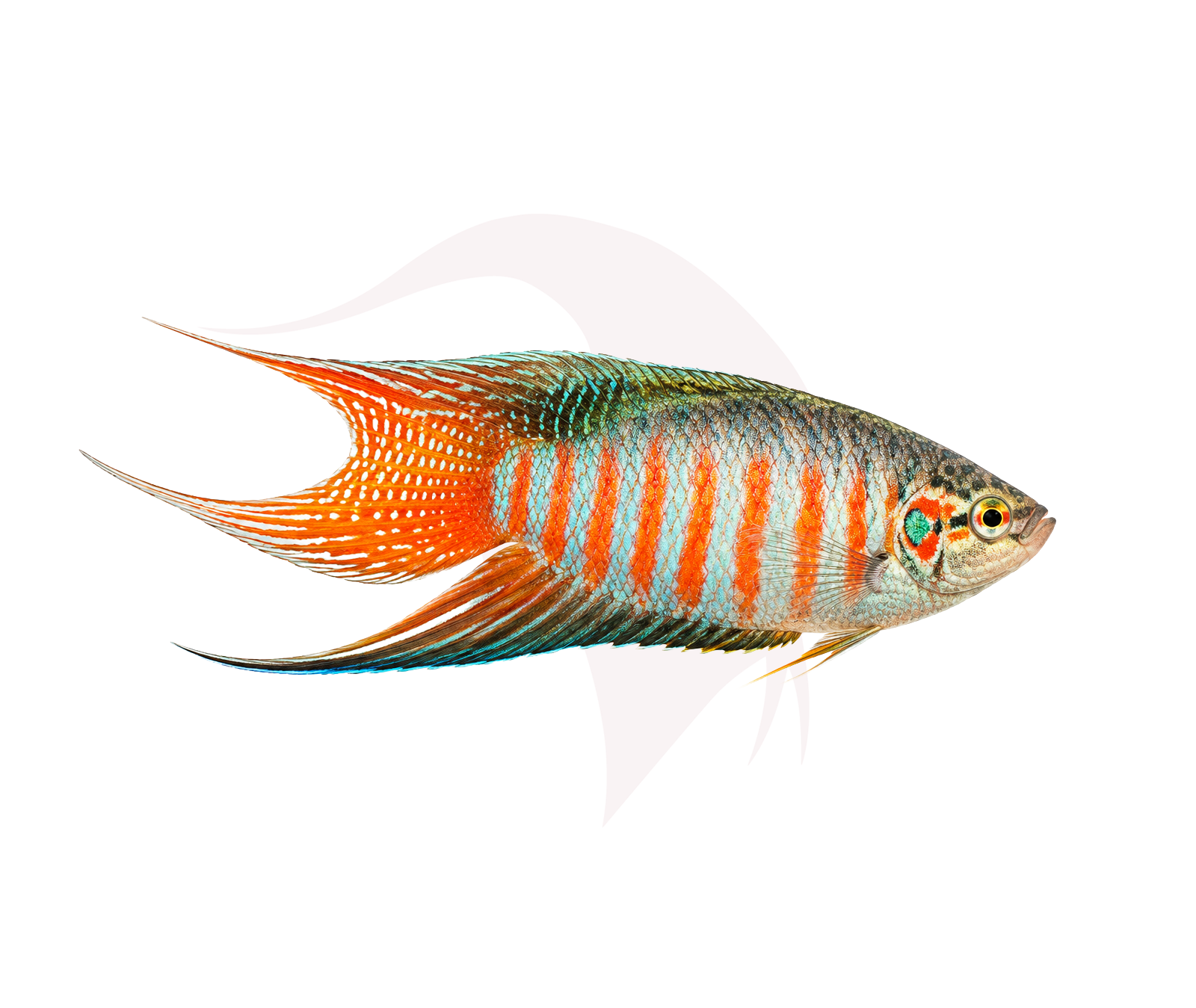
Quick facts about Paradise Fish
Paradise fish are labyrinth fish native to East Asia and were among the first tropical fish imported into Europe. Males display brilliant blue and red striping, elongated fins, and a distinctive forked tail.
They are hardy, intelligent fish with plenty of personality but can be more territorial than many community species.

Macropodus opercularis

8-12 cm

China, Taiwan, Vietnam, and Korea

75L (20gal)

6-10 years

Semi-aggressive, territorial

18-28°C

Omnivore (pellets, frozen foods, insects, live foods)

6.0-8.0

£5-£20 per fish
How Many Paradise Fish Should You Keep?
Paradise fish are usually kept singly, as pairs, or in carefully managed groups.
- A single male makes an excellent centrepiece fish
- Pairs can work in larger planted aquariums
- Multiple males generally require substantial space and visual barriers
Keeping too many males together can lead to:
- Territorial aggression
- Fin damage
- Stress and chasing behaviour
They are often more aggressive than gouramis but less aggressive than male bettas.
Ideal Tank Conditions for Paradise Fish
Providing the right environment helps paradise fish display their best colours and behaviour.
- Tank Setup: Well-planted aquarium with open swimming space
- Substrate: Sand or gravel substrate
- Plants & Decor: Dense planting, driftwood, floating plants, and hiding places
- Water Conditions: Stable freshwater with moderate hardness
- Filtration & Flow: Gentle to moderate filtration
- Lighting: Moderate lighting
As labyrinth fish, they need access to the water surface for breathing atmospheric air.
Compatibility with Other Fish
Paradise fish can work in carefully planned community aquariums.
- Good Tankmates: larger tetras, rainbowfish, corydoras catfish, weather loaches, and peaceful barbs
- Avoid: bettas, guppies, long-finned fish, and highly aggressive cichlids
Their territorial nature means tankmate selection is important.
Are Paradise Fish Easy to Care For?
Paradise fish are easy to care for and suitable for beginners.
They require:
- Stable water quality
- Adequate space
- Appropriate tankmates
- A varied diet
They are notably hardy and tolerate a wider temperature range than many tropical fish.
Paradise Fish Price in the UK
In the UK, paradise fish typically cost between £5-£20 per fish.
Prices vary depending on:
- Colour variety
- Size and age
- Availability
- Shop vs hobbyist breeders
Albino and speciality colour strains may command higher prices.
Where to Buy Paradise Fish in the UK
Paradise fish are available from many aquarium shops and specialist breeders.
Sourcing fish locally can:
- Reduce transport stress
- Allow you to inspect colouration and finnage
- Offer better value
TankMate UK helps connect fishkeepers who want to buy, sell, or rehome fish safely - without shipping.




Can You Sell Paradise Fish?
Yes - paradise fish are commonly bred and sold by hobbyists.
Selling locally is often the best option, as it:
- Minimises stress for the fish
- Avoids the risks of shipping
- Connects you with local aquarists
TankMate UK allows you to list fish quickly and find local buyers.
Feeding Paradise Fish
Paradise fish are omnivorous and enthusiastic feeders.
Key Tips
- Feed quality pellets or flakes
- Supplement with frozen bloodworms, daphnia, and brine shrimp
- Offer occasional live foods such as mosquito larvae
- Feed small portions 1-2 times daily
A varied diet supports colouration and breeding condition.
Common Problems with Paradise Fish
Aggression, often caused by:
- Small tank sizes
- Multiple males sharing territory
- Inappropriate tankmates
Fin damage, linked to:
- Fighting
- Fin-nipping species
- Sharp decorations
Stress, caused by:
- Overcrowding
- Lack of cover
- Poor water quality
Why Paradise Fish Are So Popular
- Brilliant red and blue colouration
- Hardy and beginner-friendly
- Historic aquarium species
- Interesting personality and behaviour
- Can tolerate cooler temperatures than many tropical fish
When kept correctly, paradise fish become colourful and entertaining centrepiece fish with plenty of character.
Frequently Asked Questions
They can be territorial, especially males, but are generally less aggressive than male bettas.
Yes, with carefully selected tankmates and sufficient space.
In most UK homes a heater is recommended, although they tolerate cooler temperatures better than many tropical fish.
At least 75 litres, with planting and hiding places.
Looking to Buy or Sell Paradise Fish Locally?
TankMate UK connects fishkeepers who want to buy, sell, or rehome fish safely within their local area.
Whether you're looking for a colourful alternative to a betta or rehoming surplus fish, you can:
- Browse fish available near you
- List your own fish in minutes
- Avoid the risks of shipping
Explore local listings with TankMate UK and find the right fish for your aquarium.