

Payara Care Guide
The Payara (Hydrolycus scomberoides), often known as the Vampire Fish, is one of the most spectacular predatory freshwater fish available to experienced UK aquarists. Famous for its enormous fangs that protrude from its lower jaw, the Payara is a powerful open-water predator that demands specialist care and exceptionally large aquariums.
In this guide, you'll learn everything you need to know about Payara care, including tank size, water conditions, compatibility, feeding, and typical UK prices - plus how to buy or sell them locally.
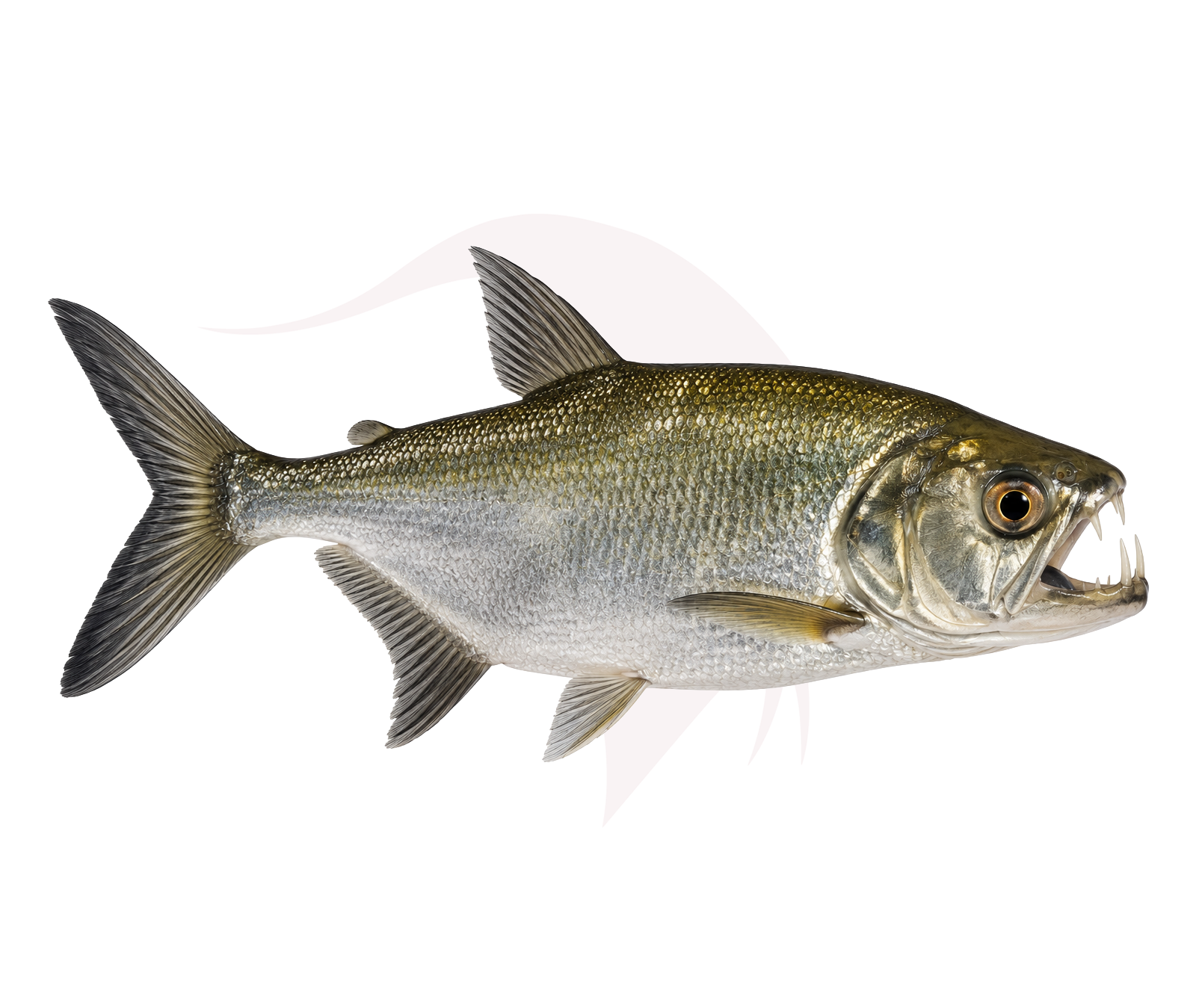
Quick facts about Payara
Payara are native to the fast-flowing rivers of South America, particularly the Orinoco and Amazon river systems. In the wild, they are powerful hunters that pursue smaller fish in strong currents.
Their impressive appearance, speed, and predatory behaviour have earned them a reputation as one of the ultimate freshwater "monster fish."

Hydrolycus scomberoides

60-120 cm

South America (Amazon and Orinoco Basins)

2,000L+ (500gal+)

10-15 years

Predatory, active

24-30°C

Carnivore (fish, prawns, aquatic invertebrates)

6.0-7.5

£100-£500+ depending on size and availability
How Many Payara Should You Keep?
Payara are most commonly kept individually.
- Single specimens are the norm in home aquariums
- Groups require enormous public aquarium-sized systems
- Adult fish need extensive swimming space due to their active nature
Keeping multiple Payara together without sufficient space can result in:
- Competition for food
- Stress and injury
- Water quality challenges
Their sheer size and activity levels make them a fish for specialist keepers only.
Ideal Tank Conditions for Payara
Providing the correct environment is critical for long-term success.
- Tank Setup: Very large aquarium with extensive open swimming space
- Substrate: Sand or bare-bottom systems
- Plants & Decor: Minimal décor, large driftwood features, open areas
- Water Conditions: Clean, warm, highly oxygenated freshwater
- Filtration & Flow: Extremely powerful filtration and strong current
- Lighting: Moderate lighting
Payara are powerful swimmers and can easily injure themselves in cramped or poorly designed aquariums.
A secure lid is essential, as they are capable of powerful bursts of speed and jumping.
Compatibility with Other Fish
Payara can only be kept with appropriately sized tankmates.
- Good Tankmates: large arowanas, datnoids, giant catfish, large stingrays, pacu, and other monster fish
- Avoid: any fish small enough to be swallowed, slow-moving species, and delicate fish
Anything that fits into a Payara's mouth will eventually be viewed as prey.
Are Payara Easy to Care For?
Payara are difficult to care for and suitable only for highly experienced fishkeepers.
They require:
- Extremely large aquariums
- Exceptional filtration
- Strong water movement
- Specialist feeding
- Extensive experience with large predatory fish
They are often considered one of the more challenging freshwater monster fish species.
Payara Price in the UK
In the UK, Payara typically cost between £100-£500+, depending on size and availability.
Prices vary depending on:
- Fish size
- Import availability
- Species and locality
- Retailer pricing
Large established specimens can command significantly higher prices.
Where to Buy Payara in the UK
Payara are usually available only through specialist monster fish retailers and importers.
Before purchasing, consider:
- Adult size and swimming requirements
- Filtration and running costs
- Future rehoming options
- Experience level required
TankMate UK helps connect fishkeepers who want to buy, sell, or responsibly rehome large fish locally.




Can You Sell Payara?
Yes - Payara are occasionally sold and rehomed by specialist hobbyists.
Selling locally is often the best option because it:
- Minimises transport stress
- Allows buyers to inspect the fish in person
- Helps ensure suitable housing is available
TankMate UK allows you to list large predatory fish quickly and connect with experienced keepers.
Feeding Payara
Payara are carnivorous predators that require a high-protein diet.
Key Tips
- Feed quality frozen fish, prawns, mussels, and other aquatic proteins
- Avoid relying on live feeder fish due to disease risks
- Feed appropriately sized foods for the fish's age and size
- Maintain excellent water quality due to heavy waste production
A varied diet helps maintain health and growth.
Common Problems with Payara
Injuries from collisions, often caused by:
- Tanks that are too small
- Sudden movements outside the aquarium
- Poor aquarium design
Stress, linked to:
- Inadequate swimming space
- Poor water quality
- Insufficient current and oxygenation
Stunted growth, caused by:
- Undersized aquariums
- Poor diet
- Inadequate filtration
Many juvenile Payara sold in the hobby eventually outgrow standard home aquariums.
Why Payara Are So Popular
- Spectacular protruding fangs
- One of the most impressive freshwater predators
- Powerful open-water hunting behaviour
- Rare and highly sought after
- Ultimate monster fish centrepiece
When kept correctly, Payara become breathtaking aquarium residents that command attention and respect in any large predator setup.
Frequently Asked Questions
Their enormous lower fangs protrude upwards into sockets in the upper jaw, giving them a vampire-like appearance.
Large specimens can exceed 1 metre in length, although most aquarium fish remain somewhat smaller.
Yes, but only with large species that cannot be swallowed.
At least 2,000 litres, with larger systems strongly recommended for adult fish.
Looking to Buy or Sell Payara Locally?
TankMate UK connects fishkeepers who want to buy, sell, or rehome fish safely within their local area.
Whether you're searching for one of the hobby's most iconic monster fish or looking to responsibly rehome a growing specimen, you can:
- Browse fish available near you
- List your own fish in minutes
- Avoid the risks of shipping
Explore local listings with TankMate UK and find the right fish for your setup.