

Piranha Care Guide
The Piranha (most commonly Pygocentrus nattereri, the Red-Bellied Piranha) is one of the most famous freshwater fish in the world. Known for its powerful jaws, sharp teeth, and reputation as a predator, the piranha remains a popular choice among experienced UK fishkeepers who specialise in large South American species.
In this guide, you'll learn everything you need to know about Piranha care, including tank size, water conditions, compatibility, feeding, and typical UK prices - plus how to buy or sell them locally.
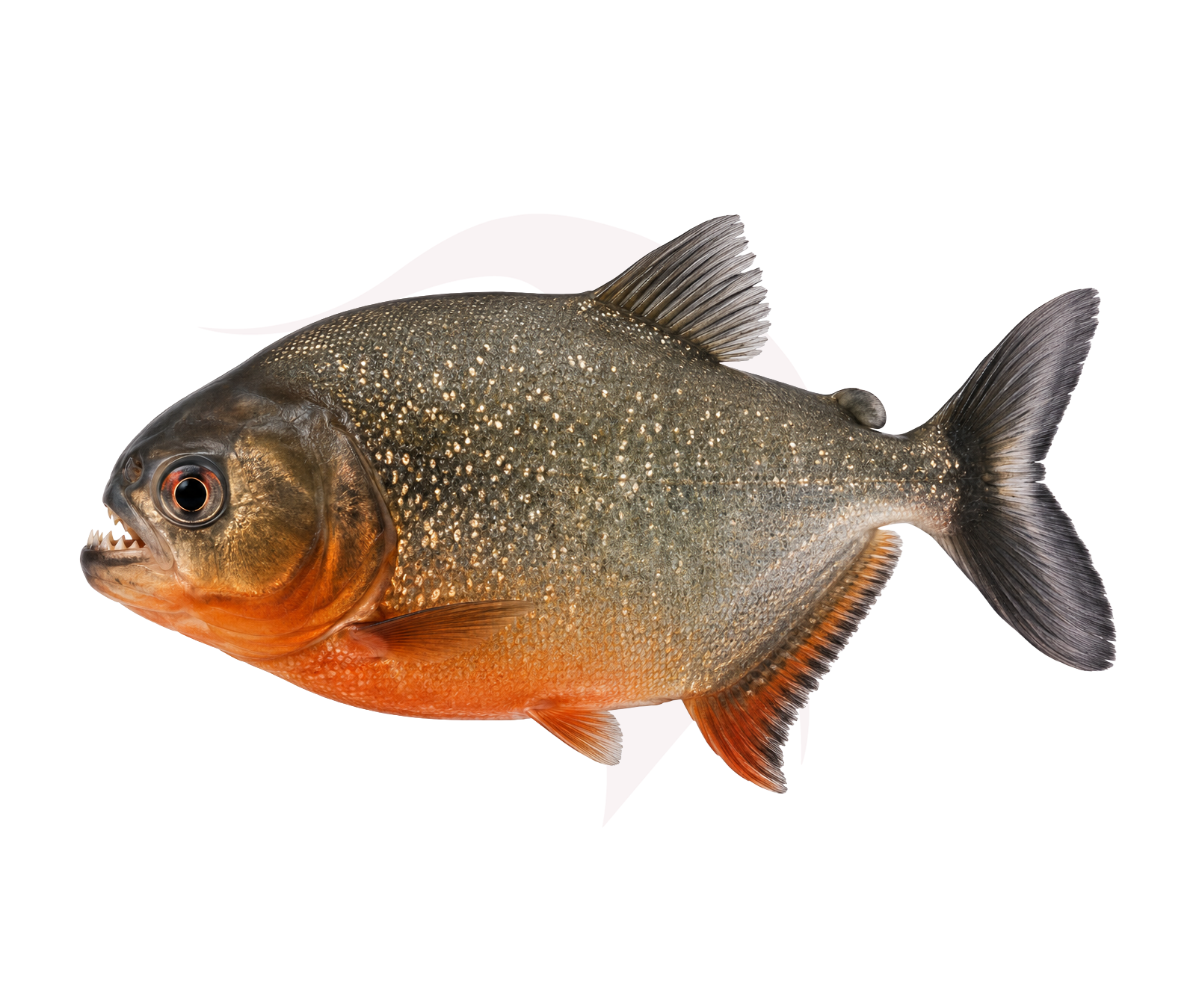
Quick facts about Piranhas
Piranhas are native to the rivers, floodplains, and tributaries of South America, particularly within the Amazon and Orinoco river systems. While popular culture often portrays them as relentless predators, most species are cautious fish that spend much of their time avoiding danger.
The Red-Bellied Piranha is by far the most commonly kept species in the aquarium hobby.

Pygocentrus nattereri

20-35 cm

South America (Amazon, Paraguay, and Orinoco Basins)

450L+ (120gal+)

10-15 years

Predatory, nervous, schooling

24-28°C

Carnivore

5.5-7.5

£20-£80+ per fish
How Many Piranhas Should You Keep?
Red-Bellied Piranhas are social fish and are usually best kept in groups.
- A minimum group of 5-6 is recommended
- Larger groups often display more natural behaviour
- Group living helps spread aggression and increase confidence
Keeping too few can result in:
- Nervous behaviour
- Increased aggression towards tankmates
- Stress and hiding
Despite their reputation, piranhas are often shy fish when kept correctly.
Ideal Tank Conditions for Piranhas
Providing the right environment is essential for long-term success.
- Tank Setup: Large aquarium with open swimming space and shaded areas
- Substrate: Sand or fine gravel
- Plants & Decor: Driftwood, large roots, robust plants, and visual barriers
- Water Conditions: Warm, clean, stable freshwater
- Filtration & Flow: Powerful filtration with moderate water movement
- Lighting: Moderate to subdued lighting
Piranhas are easily startled and appreciate areas where they can retreat from view.
Compatibility with Other Fish
Piranhas are generally best kept in species-only aquariums.
- Good Tankmates: other similarly sized piranhas
- Occasionally Kept With: very large catfish in exceptionally large aquariums
- Avoid: community fish, slow-moving species, and anything small enough to be eaten
Even fish that coexist peacefully for years may eventually become targets.
Species-only setups are usually the safest and most successful option.
Are Piranhas Easy to Care For?
Piranhas are moderately difficult to care for and best suited to experienced aquarists.
They require:
- Large aquariums
- Excellent filtration
- Stable water conditions
- Appropriate group sizes
They are hardy once established but require careful planning and maintenance.
Piranha Price in the UK
In the UK, piranhas typically cost between £20-£80+ per fish.
Prices vary depending on:
- Species
- Size and age
- Availability
- Shop vs specialist retailer pricing
Rare piranha species can command significantly higher prices.
Where to Buy Piranhas in the UK
Piranhas are available through specialist tropical fish retailers and monster fish suppliers.
Before purchasing, consider:
- Adult size
- Tank requirements
- Long-term care commitments
- Compatibility limitations
TankMate UK helps connect fishkeepers who want to buy, sell, or responsibly rehome large fish locally.




Can You Sell Piranhas?
Yes - piranhas are frequently sold and rehomed by hobbyists.
Selling locally is often the best option because it:
- Minimises transport stress
- Allows buyers to assess the fish in person
- Helps ensure appropriate housing is available
TankMate UK allows you to list fish quickly and connect with experienced keepers.
Feeding Piranhas
Piranhas are carnivorous and require a varied diet.
Key Tips
- Feed quality frozen foods such as prawns, mussels, fish fillets, and krill
- Offer a varied diet to avoid nutritional deficiencies
- Avoid relying on feeder fish due to disease risks
- Feed appropriately sized portions several times per week
A balanced diet is important for long-term health and growth.
Common Problems with Piranhas
Aggression within the group, often caused by:
- Small group sizes
- Overcrowding
- Inadequate feeding
Stress and hiding, linked to:
- Bright lighting
- Lack of cover
- Frequent disturbances
Poor water quality, caused by:
- Heavy feeding
- Inadequate filtration
- Insufficient maintenance
Because they are messy feeders, strong filtration is essential.
Why Piranhas Are So Popular
- Iconic predatory fish
- Striking red belly and metallic body
- Intelligent and fascinating behaviour
- Excellent centrepiece fish for large aquariums
- One of the hobby's most recognisable species
When kept correctly, piranhas become impressive aquarium residents that display far more complex and cautious behaviour than their fearsome reputation suggests.
Frequently Asked Questions
They can be predatory and territorial, but most captive piranhas are surprisingly cautious and nervous.
Red-Bellied Piranhas typically reach 20-35 cm in captivity.
Species-only aquariums are generally recommended for long-term success.
A group of adult piranhas should be provided with at least 450 litres, with larger aquariums strongly recommended.
Looking to Buy or Sell Piranhas Locally?
TankMate UK connects fishkeepers who want to buy, sell, or rehome fish safely within their local area.
Whether you're searching for one of the hobby's most iconic predators or looking to responsibly rehome a group that has outgrown its aquarium, you can:
- Browse fish available near you
- List your own fish in minutes
- Avoid the risks of shipping
Explore local listings with TankMate UK and find the right fish for your setup.