

Tube Anemone Care Guide
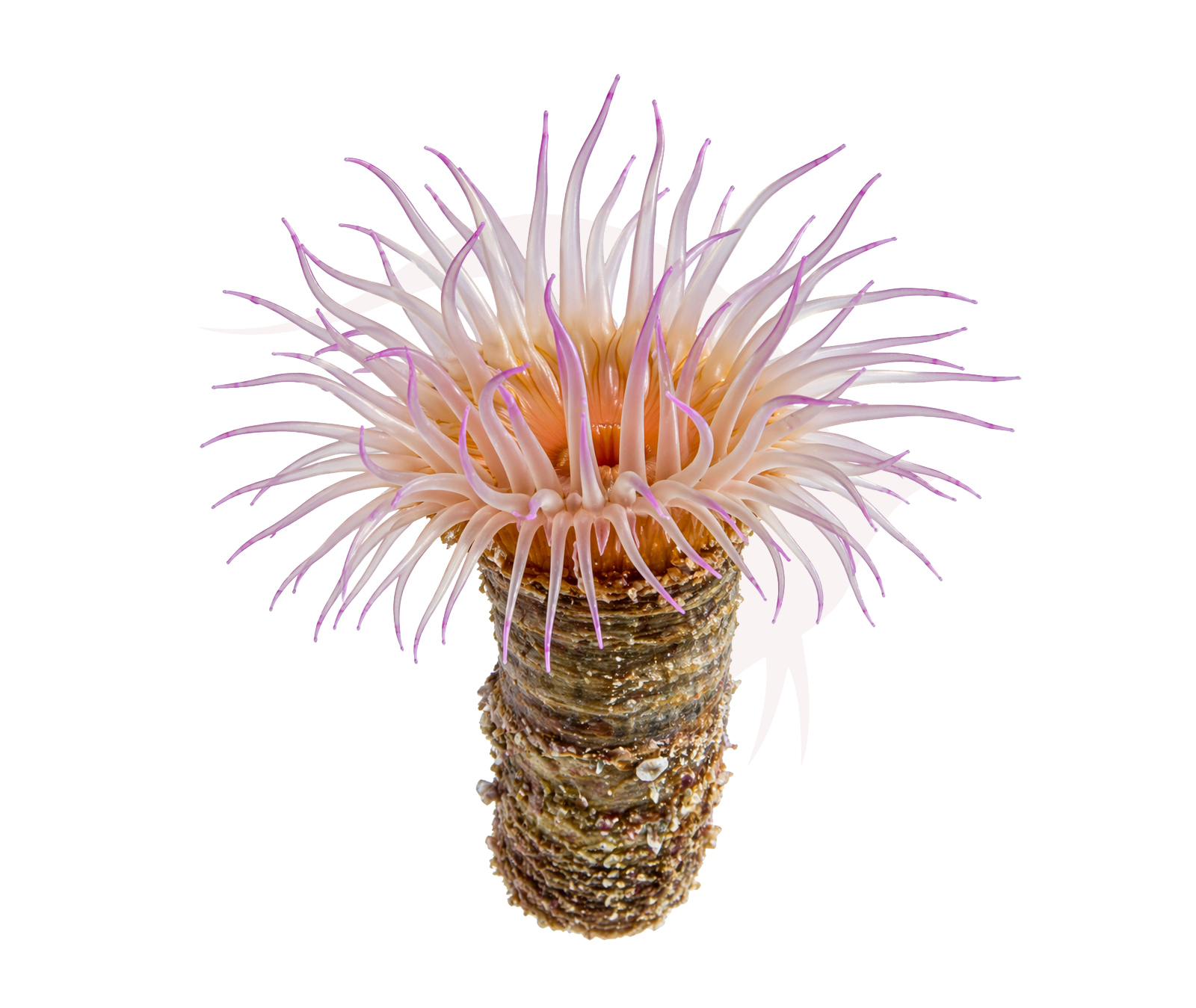
The Tube Anemone (Cerianthus spp.) is a striking and unusual marine invertebrate popular in the UK. Known for its long flowing tentacles and vivid colours, it creates a dramatic focal point in marine aquariums.
In this guide, you'll learn everything you need to know about Tube Anemone care, including tank size, water conditions, compatibility, feeding, and typical UK prices - plus how to buy or sell them locally.
Quick facts about Tube Anemones
Tube anemones are not true sea anemones but belong to a separate group (Ceriantharia). They live in soft tubes buried in sand and extend long, often fluorescent tentacles to capture food.
They are visually impressive but require specific care.

Cerianthus spp.

15-40 cm (including tentacles)

Indo-Pacific / Atlantic (varies by species)

100-150L+ (30-40gal)

5+ years

Predatory (towards small tankmates)

22-26°C

Carnivore (meaty foods, plankton)

8.1-8.4

£30-£100+ depending on size and colour
How Many Tube Anemones Should You Keep?
Tube anemones are best kept singly.
- One per tank is recommended
- Can be kept in larger systems with adequate spacing
- Ensure plenty of substrate area
Keeping multiple too close can lead to:
- Chemical competition
- Stress or movement
They require their own space within the aquarium.
Ideal Tank Conditions for Tube Anemones
Providing the right environment is essential for their survival.
- Tank Setup: Marine tank with a deep sand bed
- Substrate: Fine sand (at least 10-15 cm depth) for burrowing
- Water Conditions: Stable salinity and high water quality
- Filtration: Strong filtration with protein skimming recommended
- Flow: Moderate flow
- Lighting: Low to moderate lighting (not as light-dependent as reef anemones)
They will bury themselves and create a protective tube in the substrate.
Compatibility with Other Fish and Invertebrates
Tube anemones are not fully reef-safe and require careful tankmate selection.
- Good Tankmates: larger, non-aggressive fish that stay clear of the substrate
- Avoid: small fish, shrimp, and invertebrates that may be captured
They are opportunistic predators and will sting and consume small animals.
Are Tube Anemones Easy to Care For?
Tube anemones are moderately difficult to care for and better suited to intermediate aquarists.
They require:
- A deep sand bed
- Stable water parameters
- Regular feeding
- Careful placement
They are less forgiving than many other invertebrates.
Tube Anemone Price in the UK
In the UK, tube anemones typically cost between £30-£100+, depending on size, colour, and species.
Prices vary depending on:
- Colour intensity (fluorescent varieties are more expensive)
- Size
- Availability
They are valued for their dramatic appearance.
Where to Buy Tube Anemones in the UK
Tube anemones are available from marine aquarium shops and specialist hobbyists.
Sourcing locally can:
- Reduce transport stress
- Allow inspection of health and condition
- Offer better value
TankMate UK helps connect aquarists who want to buy, sell, or rehome marine livestock safely - without shipping.




Can You Sell Tube Anemones?
Yes - tube anemones are sometimes sold or rehomed by hobbyists.
Selling locally is often the best option, as it:
- Minimises stress for the animal
- Avoids the risks of shipping
- Helps ensure suitable homes
TankMate UK allows you to list livestock quickly and find local buyers.
Feeding Tube Anemones
Tube anemones are carnivorous and require regular feeding.
Key Tips:
- Feed meaty foods such as mysis shrimp, chopped fish, or krill
- Target feed 2-3 times per week
- Feed when tentacles are extended
- Avoid overfeeding
Unlike many reef anemones, they rely heavily on direct feeding rather than light.
Common Problems with Tube Anemones
Failure to settle or burrow, often caused by:
- Insufficient substrate depth
- Poor placement
Shrinking or poor health, linked to:
- Lack of feeding
- Poor water quality
Loss of tankmates, caused by:
- Predatory behaviour
Why Tube Anemones Are So Popular
- Long, flowing and colourful tentacles
- Unique burrowing behaviour
- Striking focal point in marine tanks
- Available in a variety of colours
- Different from typical reef invertebrates
When kept correctly, tube anemones create a dramatic and eye-catching display in marine aquariums.
Frequently Asked Questions
No, they can capture and eat small fish and invertebrates.
No, they rely more on feeding than light.
They usually stay in one place once established in the substrate.
At least 100-150 litres, with a deep sand bed.
Looking to Buy or Sell Tube Anemones Locally?
TankMate UK connects aquarists who want to buy, sell, or rehome marine livestock safely within their local area.
Whether you're adding a unique centrepiece or passing livestock on to a new home, you can:
- Browse listings near you
- List your own livestock in minutes
- Avoid the risks of shipping
Explore local listings with TankMate UK and find the right additions for your aquarium.